
TG-06 · TOOL GUIDE
Safety Gear and PPE for Home Projects
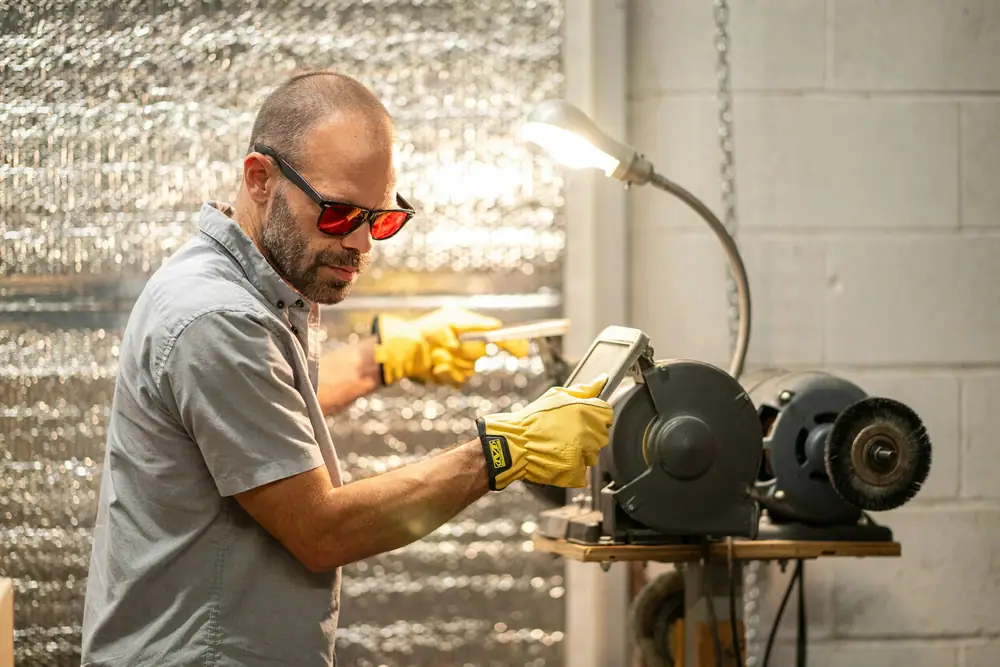
Protective gear is the part of the toolkit people buy last and should buy first. None of it is expensive, and each item addresses a specific risk: flying chips, noise, fine dust, sharp edges. Keeping the gear together in one bin or on one hook makes it far more likely you will actually put it on.
Spec sheet
| Item | Label to look for | Use it for | Replace when |
|---|---|---|---|
| Safety glasses | EN 166 (BS EN 166) | Drilling, hammering, sawing, cutting | Lenses scratched enough to affect vision |
| Safety goggles | EN 166 with indirect vents | Overhead drilling, chemicals, heavy dust | Seal cracked or strap stretched |
| Earplugs / earmuffs | SNR (single number rating) | Power saws, sanders, hammer drills | Foam plugs after use; muff cushions when hardened |
| Disposable respirator | FFP2 or FFP3 to EN 149 (FFP3 for the finest dust) | Sanding, sweeping sawdust, plasterboard dust | When damp, damaged or harder to breathe through |
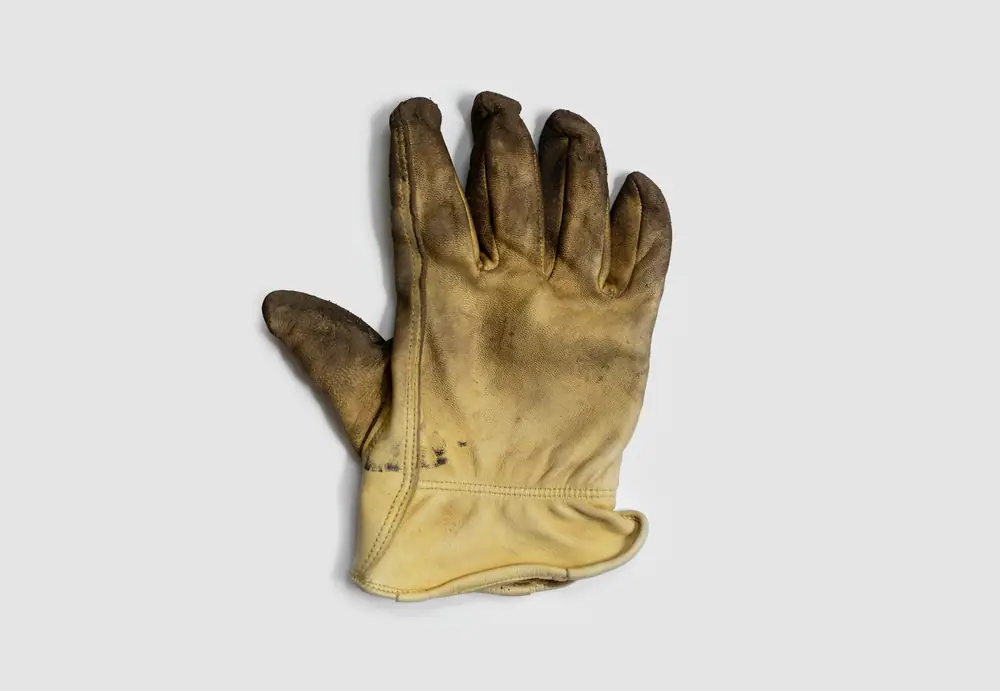
| Work gloves | EN 388 cut rating marked | Handling timber, sheet metal, demolition | Holes in fingertips or palms |
| First-aid kit | Includes plasters, gauze, tweezers, eye wash | Minor cuts and splinters | Restock after every use |
What to look for
- Eyewear you will keep on. Wraparound glasses with side protection that fit comfortably over prescription glasses if you wear them, or over-glasses designs.
- Anti-fog coating for goggles and glasses you will wear with a mask.
- Hearing protection you can put on in seconds, such as earmuffs hung on the same hook as your saw.
- A respirator with a proper seal. Two straps and a nose clip; a single-strap nuisance mask is not the same thing.
- Gloves sized correctly; loose gloves reduce grip and control.
- Closed-toe shoes with firm soles for any job with dropped tools or boards.
A two-minute pre-project routine
Before each session: clear the floor of cords and offcuts, check that the area is lit well enough to see your cut lines, open a window or run a fan if you will be making dust, put on eye protection before you pick up the first tool, and confirm where the first-aid kit is. If you are working on anything connected to household wiring, switch off the circuit at the consumer unit and confirm it is dead with a voltage tester. In England and Wales, some electrical work in the home must be notified under Part P of the Building Regulations; if in doubt, use a registered electrician.
Safety checklist
Print this and keep it with your PPE. Click to mark each item.
Wear
- EN 166-marked eye protection
- Hearing protection for any power saw, sander or hammer drill
- FFP2 or FFP3 mask for sanding or sweeping fine dust
- Gloves for handling rough or sharp material (off for spinning tools)
- Closed-toe shoes; no loose clothing or jewellery
Workspace
- Floor clear, lighting adequate, ventilation on
- Extension leads rated for the tool and fully uncoiled
- Circuit switched off and tested before any electrical work
- Children and pets out of the work area
Readiness
- First-aid kit stocked and within reach
- Phone nearby in case you need help
First project to practise on
PRACTICE PROJECT · 30 MIN
Set up a PPE station by the door of your work area
Mount a short board or a small pegboard panel near where you work, using the stud detector and fixings from the other guides. Add hooks for safety glasses, earmuffs and gloves, a small bin for disposable respirators and earplugs, and a spot for the first-aid kit. Tape a printed copy of this checklist beside it. It is a quick build that practises measuring, drilling and fixing, and it puts protective gear where you will see it every time.
This guide is general information for home DIY. Always follow the manufacturer's instructions for your specific tool, and use a registered electrician, a Gas Safe registered engineer or a qualified builder for electrical, gas or structural work.