
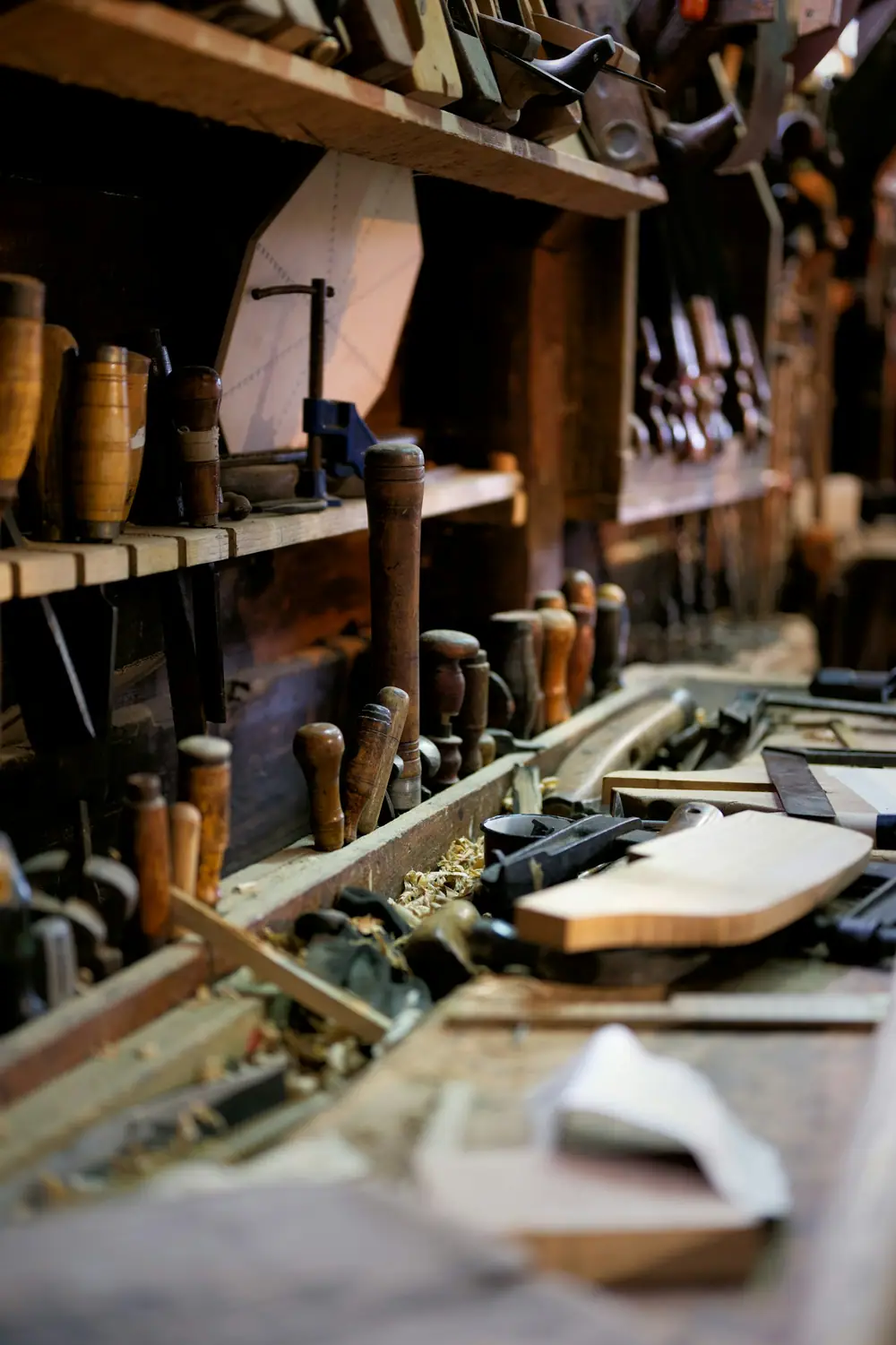
Used tools can be an excellent way to build a kit. Many older hand tools were made from good steel and only need cleaning, and lightly used power tools often appear when someone finishes a single project. The trick is knowing which faults are cosmetic and which ones make a tool unsafe or not worth fixing.
Hand tools: what to check
| Tool | Check | Fine to buy | Walk away |
|---|---|---|---|
| Hammer | Head attachment, face | Surface rust, worn handle finish | Loose head, chipped or mushroomed face, cracked handle |
| Screwdrivers | Tip shape | Scuffed handles | Rounded or twisted tips, bent shafts |
| Pliers | Pivot, jaw alignment | Stiff pivot, light rust | Jaws that do not meet, cracked handles |
| Spanners | Jaw wear, worm gear | Dirty gear that cleans up | Spread or cracked jaws, stripped worm |
| Hand saws | Blade straightness | Light rust, dull teeth on older saws | Kinked blade, missing teeth, loose handle |
| Levels | Vial accuracy | Dents on non-reading edges | Fails the flip test, cracked vial |
Power tools: a five-minute inspection
- Ask to see it run. For corded tools, plug in and run at several speeds. For cordless tools, bring or request a charged battery.
- Listen. A smooth hum is normal. Grinding, rattling or intermittent power suggests worn bearings or brushes.
- Smell. A strong burnt-electrical smell after a short run is a warning sign.
- Check the chuck or blade clamp. The chuck should open and close smoothly and hold a bit without wobble.
- Inspect the cord and housing. Cracks near the cord entry or taped cords are reasons to pass.
- Test the switch and safety features. Triggers must release cleanly; blade guards on saws must spring back freely.
The battery question
Cordless tools are often sold with old batteries, or none at all. A tool-only listing is only a good deal if you already own, or plan to buy into, that battery platform. Used batteries are harder to judge. Avoid packs that are swollen, cracked, or come without any way to test them. When in doubt, treat the battery as worth nothing and price the tool accordingly.
Easy fixes versus money pits
Worth fixing yourself: surface rust, stiff pivots, dirty chucks, worn handle grips, dull bits and blades, missing knobs on hand planes. These take a wire brush, some oil and an afternoon.
Usually not worth it: bent or cracked castings, damaged motor housings, anything with signs of overheating, tools that need proprietary parts no longer made, and anything with frayed or modified wiring.
Where to look
House clearances and car boot sales tend to have older hand tools in quantity. Online marketplaces are better for specific power tools, where you can compare several listings. Community tool libraries and reuse centres are worth checking too, as they sometimes sell surplus donated tools after checking them. Wherever you buy, meet in a place where you can safely test the tool.
Safety first on restored tools
A restored hand tool needs a firm head, a crack-free handle and a clean edge before use. A used power tool should be inspected with the same care as a new one: guards present, switch working, cord intact, and the manual (often available online) read before first use.
Second-hand buying checklist
- List of the specific tools you need, so you do not buy on impulse
- Small flat board, a few screws and a bit for testing
- Charged battery if checking a cordless tool on a platform you own
- Checked heads, tips, jaws and blades for damage, not just rust
- Ran power tools at several speeds and listened for rough noises
- Confirmed guards and switches work
- Budget set with the cost of any missing battery or charger included